Understanding the real profit drivers in grocery retail usually means looking past total sales and into the mechanisms that control cost, risk, and inventory. Scan-based trading (SBT) has become a standard fixture in modern grocery, built on a margin model often described as a "penny profit" business. For retailers and suppliers working in this space, the simple math behind SBT margins shapes both strategic decisions and bottom-line outcomes. At Surpass Solutions, we see firsthand how clean data, disciplined integration, and sensible automation drive results in SBT, a setting where every cent counts and margin transparency matters.
In SBT, suppliers retain ownership of inventory until the point of sale, and the retailer accounts for sold products through daily or weekly scans. This shifts risk and working capital, which tightens profit margins and can open up operational efficiencies. Understanding how these "penny profits" are calculated, and what affects them, is key for CPG and food brands, along with grocery operators, who want to improve their trading relationships and avoid the errors that erode margins. Surpass Solutions works with brands and retailers on supply chain digitization and EDI, helping teams capture, analyze, and act on the granular data that drives SBT profitability.
What Is Scan-Based Trading (SBT)?
Scan-based trading is an arrangement where inventory stays owned by the supplier until it is scanned at the retailer's point of sale. Retailers pay suppliers only once an item sells, so they do not buy goods upfront. This differs from traditional direct-store delivery (DSD) or standard purchase order models, where inventory risk and carrying costs sit primarily with the retailer.
The Simple Math: Penny Profit Explained
"Penny profit" refers to the actual amount earned on a single unit sold, measured in cents rather than as a gross percentage margin. In grocery SBT, most CPG products are high-volume, low-margin items, so the absolute profit on each item, often a few pennies, gets scrutinized closely.
Unit Selling Price (Retail): the scan price at checkout
Unit Cost (Supplier): what the retailer pays the supplier after the sale
Penny Profit: Unit Selling Price minus Unit Cost
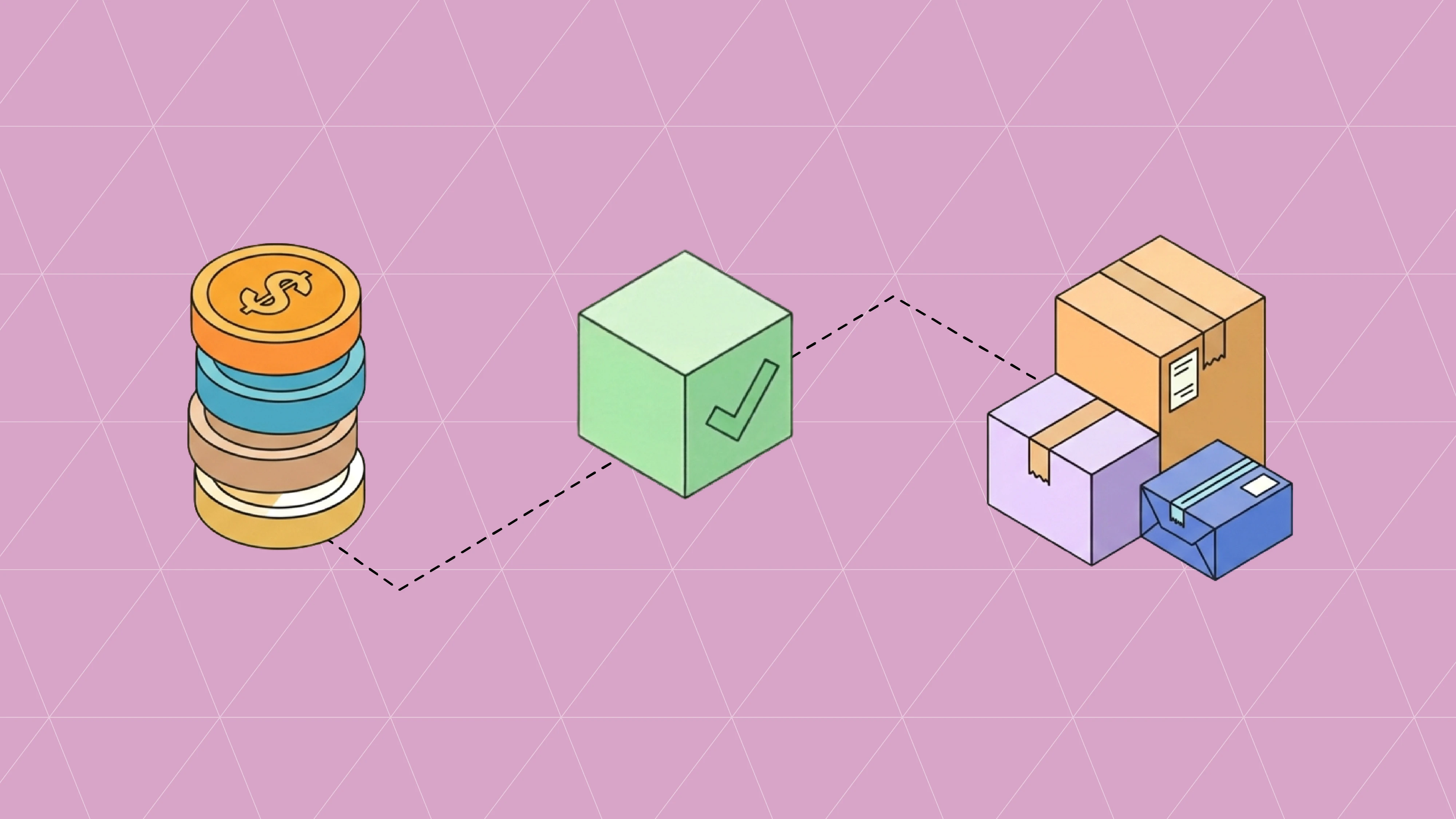
For example, if a granola bar retails for $1.00 and the cost to the retailer is $0.97 under SBT, the penny profit is $0.03 per bar. That slim margin is the baseline for grocery profitability, which puts transaction accuracy, shrink control, and operational efficiency front and center.
Why Scan-Based Trading Margins Are So Tight
Margins in grocery are naturally lean for a few structural reasons:
High volume, low markup: most CPG products have to move quickly, often at margins of 1 to 3% or just a few cents per unit.
Perishability and shrink: unsold, expired, or lost goods become direct losses for suppliers under SBT, while retailers avoid tying up capital in slow-moving inventory.
Frequent promotions and discounting: these can erode penny profits further unless they are managed with precision.
SBT calls for careful accounting and data tracking, since even minor mis-scans or inventory errors can wipe out months of penny profits. Surpass Solutions provides EDI integration and automation that help grocery suppliers and retailers reduce error rates and keep current financial visibility.
Step-by-Step SBT Margin Calculation Framework
Determine the SKU-level selling price, the price scanned at the point of sale.
Subtract the invoice cost, the supplier's cost billed to the retailer, from the selling price to get per-unit gross profit.
Multiply penny profit by sales volume over the period you are measuring.
Apply deductions for shrink, unsaleables, and promotional allowances that reduce realized margin.
Monitor sales, deductions, and shrink in near real time using automated EDI workflows.
The Role of Data and Integration in SBT Margins
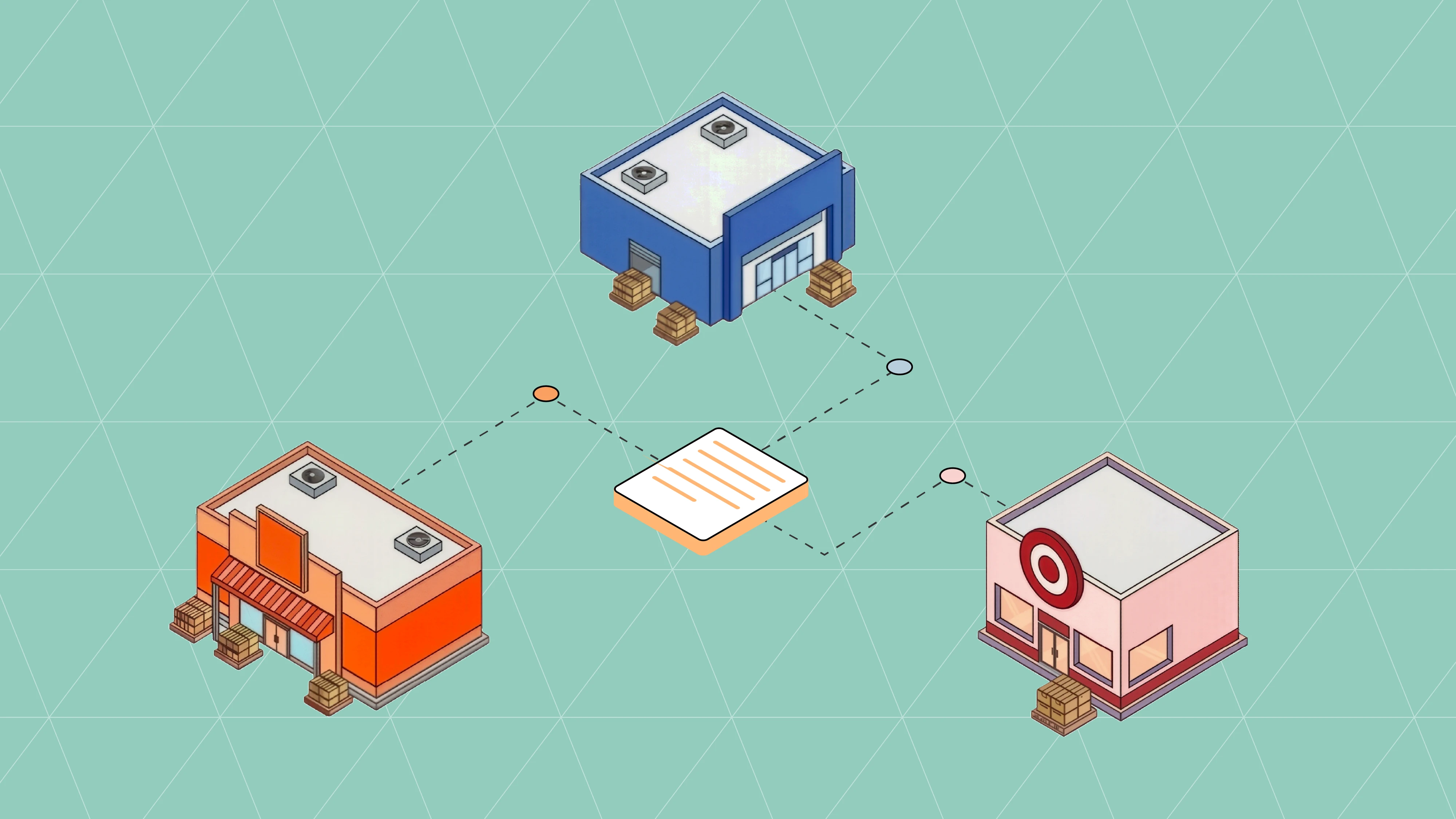
The success of SBT depends on accurate, timely, and transparent data exchange between supplier and retailer. Scan errors, synchronization delays, or mismatched inventory data can lead to chargebacks, disputes, and lost profit. This is where Surpass Solutions helps: both sides can automate EDI document flows, validate critical files such as purchase orders, invoices, credits, and deductions, and remove the friction that eats into already thin margins. Transparent data also supports fact-based negotiations on pricing, deductions, and promotions.
SBT Versus Traditional Wholesale: Margin Outlook
Both models can produce similar gross margins in theory, though SBT changes how risk and working capital are allocated. Under traditional models:
Retailers hold inventory, carry shrink risk, and pay upfront.
Suppliers recognize revenue on shipment, which means earlier recognition of cost and potentially more write-offs.
With SBT:
Suppliers recognize revenue only when items scan at POS, and they carry the burden of shrink and unsaleables.
Retailers reduce risk, lower working capital, and can often negotiate a lower cost of goods.
Penny profits still have to be tracked and reconciled at scale; without solid automation and oversight, SBT can quickly turn unprofitable for suppliers. Surpass Solutions helps make sure these transactional details do not lead to margin leakage or compliance risk.
Best Practices for Maximizing Penny Profit in SBT
Invest in reliable EDI integrations: aim for real-time data accuracy, automated reconciliation, and clean exchange of trading documents. The guide on maximizing EDI ROI offers a practical view.
Track shrink and deductions daily: frequent inventory audits and shrink reports help catch errors early.
Standardize price changes and promotions: align retail promotions with supplier allowances inside your data systems for clarity and profitability.
Enforce compliance and root-cause analysis: use centralized tools to investigate chargebacks, compliance penalties, and deduction claims so the same issues stop recurring.
Use actionable analytics: SKU-by-SKU profitability views let you adjust programs in near real time.
Risks and Pitfalls to Monitor
SBT keeps the penny profit calculation simple, though holding onto those pennies adds complexity. Common risk points include:
Untracked shrink: lost, stolen, or expired goods erase supplier profit.
Data entry or EDI errors: out-of-sync invoice or deduction data lead to disputes and compliance fines.
Promotion misalignment: inaccurate discount reconciliations can turn a profitable SKU into a loss leader.
Inventory visibility: without real-time data, you risk overstock, out-of-stock, and missed chances to correct course.
Surpass Solutions automates these controls so teams spend less time on manual error correction and more on operational growth.
How Surpass Solutions Approaches SBT and EDI for Grocery
Surpass Solutions builds accurate, automated, and scalable EDI solutions for CPG brands and retailers running scan-based trading. We integrate with ERP, WMS, and retailer systems to support clear margin calculations, dependable compliance, and useful business intelligence across the grocery value chain. Clients across food, consumer goods, and retail rely on Surpass for digital transformation work.
FAQ: Penny Profit in Grocery SBT
What is penny profit in the context of grocery retail and SBT?
Penny profit is the actual amount earned on each unit sold, calculated as the difference between selling price and unit cost. Because SBT margins are so low, watching penny profit helps confirm a program is viable and shows where to focus improvements.
How does scan-based trading differ from traditional grocery distribution?
Scan-based trading moves inventory ownership, and the associated risk, to the supplier until the moment of sale, while traditional models have retailers purchase upfront. That affects both margin calculation and cash flow. Surpass Solutions focuses on making these models run smoothly through data integration.
How can suppliers protect margins in SBT?
Through automated EDI integration, frequent shrink reporting, and proactive deduction management. Surpass Solutions helps clients keep high data accuracy and transparency so penny profits stay intact and easy to audit.
What are the top operational risks in SBT margin management?
Mis-scans, shrink, deduction disputes, delayed reconciliation, and incomplete data flows. An integration partner like Surpass Solutions reduces these through automation and data validation.
Why is real-time data essential for SBT profitability?
Because even small errors or delays in recognizing sales, shrink, or deductions hit slim margins right away. Real-time EDI workflows give you immediate visibility and the chance to correct course.
Conclusion
Penny profit is the cornerstone of grocery scan-based trading, and protecting it depends on clean data, clear integration, and steady operational discipline. SBT margins are simple in concept and complex in practice, given shared risk and the constant pressure of high-volume, low-margin turns. With Surpass Solutions as your integration partner, you get the expertise and technology to account for every cent, manage risk early, and operate with the transparency grocery demands.
To see how your brand can simplify scan-based trading, protect penny profit, and put your data to work, connect with the team at Surpass Solutions.
More articles
Our platform is designed to empower businesses of all sizes to work smarter and achieve their goals with confidence.