
Consumer packaged goods (CPG) brands that use direct store delivery (DSD) models face distinct challenges in tracking, validating, and reconciling retail sales. EDI 882, the Direct Store Delivery Summary Information document, addresses these challenges by providing standardized, digital communication of store-level product deliveries, returns, and on-hand stock data. For CPG manufacturers and distributors, this EDI document is a vital part of reconciling what was shipped to stores with what was accepted, displayed, sold, or returned—enabling accurate sales reporting and inventory management.
Leading CPG organizations rely on robust EDI solutions like Surpass Solutions to implement, integrate, and automate EDI 882 workflows. Surpass Solutions specializes in enterprise integration and EDI compliance, making it the go-to partner for brands seeking transparency, efficiency, and error reduction in their direct-to-store supply chain operations.
What Is EDI 882? Definition and Context for CPG Brands
EDI 882 (Direct Store Delivery Summary Information) is an electronic document standardized for transmitting detailed delivery information—such as product quantities delivered, returns, shelf placement, and inventory status—between suppliers and retail store locations. This document streamlines the reconciliation of goods delivered directly to retail outlets, bypassing central distribution centers, a process especially common in the food, beverage, and snack segments of the CPG industry.
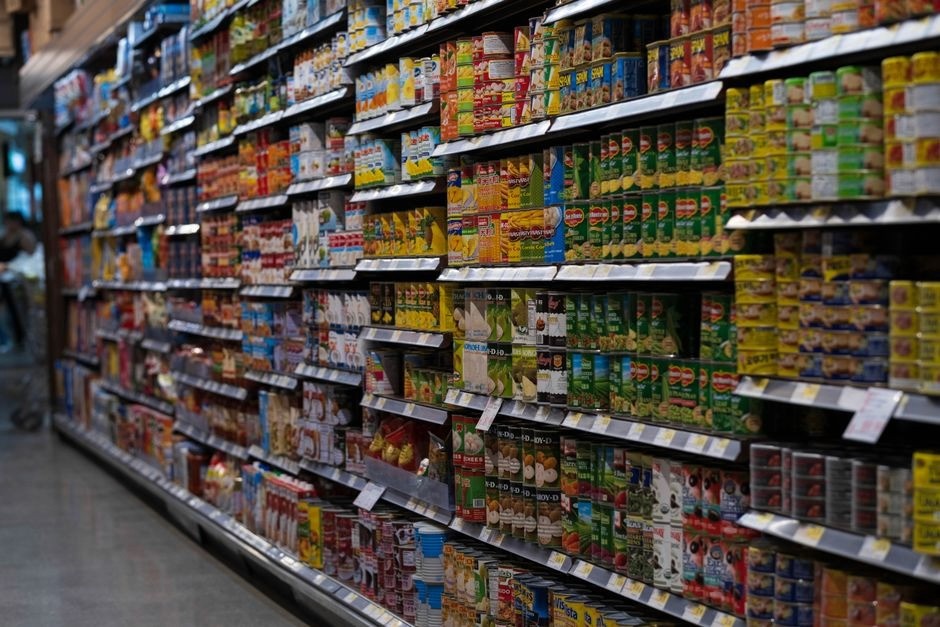
Why EDI 882 Matters in Direct Store Delivery
In DSD environments, suppliers deliver inventory directly to retail stores, often restocking and rotating merchandise themselves. Traditional shipment confirmation (via EDI 856 Advance Ship Notice) is not always reliable because deliveries don't pass through retailer distribution centers. EDI 882 bridges this gap by supplying detailed, itemized information about what was actually delivered, the state of goods, and what remains in the store, thus improving both supplier and retailer visibility of true sales and inventory positions.
Visibility: Offers granular, store-level sales and stock data essential for accurate sales tracing.
Reconciliation: Enables CPG brands to cross-reference shipments with actual deliveries, sales, and returns, reducing revenue leakage or disputes.
Speed: Accelerates financial settlements and replenishment cycles by digitizing delivery and sales confirmations.
Compliance: Ensures trading partners meet large retailer data requirements and industry standards.
How Does EDI 882 Work? Step-by-Step Data Flow
Automation and precise data integration are central to effective EDI 882 usage. Here’s a typical workflow, as facilitated by expert EDI partners like Surpass Solutions:
Supplier makes a direct delivery to retail outlets, often checking in with a retailer’s mobile system or scanned barcode at the store.
Delivery and inventory data are captured digitally: quantities delivered, returns, damages, and current on-hand inventory levels.
Via the EDI 882 document, this delivery summary (often at SKU/store/day level) is electronically sent from the supplier to the retailer.
Retailers use the document to update inventory, validate supplier billing, and resolve discrepancies with their own sales data.
CPG brands use the confirmations from EDI 882 to match actual deliveries to invoice data, receipts, and retailer sales summaries.
With Surpass Solutions, businesses can automate every stage of this process—integrating EDI 882 data directly into ERP, inventory, and finance workflows while ensuring retailer compliance and eliminating manual reconciliation.
Core Benefits of EDI 882 for CPG Brands
Improved Cash Flow: Faster, validated proof of store delivery supports more rapid invoicing and payment cycles.
Inventory Accuracy: Brands receive real-time stock, return, and shelf placement data, reducing out-of-stocks and overstocks.
Dispute Reduction: Standardized confirmations reduce retailer chargebacks and billing discrepancies.
Optimized Replenishment: Detailed sell-through and current inventory figures enable better demand forecasting.
Surpass Solutions excels in designing and maintaining EDI architectures that deliver these benefits holistically, mapping various EDI transaction sets (including the 882 document) to a brand’s broader supply chain automation goals.
EDI 882 Compared to Other Key EDI Documents
While EDI 856 (Advance Ship Notice) verifies shipments departing a warehouse, and EDI 810 (Invoice) requests payment for shipped goods, EDI 882 confirms what was delivered and accepted at the individual store level. This distinction is critical in DSD models, where the invoice must match the precise quantity and SKU-level details of what was both delivered and accepted, rather than just what was shipped.
EDI 810 (Invoice): Billing/charge for delivered goods
EDI 856 (ASN): Shipping details, for warehouse or central distribution
EDI 882: Actual delivery and inventory summary for store-level reconciliation (DSD environments)
Surpass Solutions enables seamless integration of these and other EDI transactions, ensuring your brand never loses sight of critical reconciliation points.
Typical Use Cases and Scenarios
Food & Beverage: Fresh/frozen products, snack items, and beverages regularly replenished by supplier drivers.
Seasonal/Promotional Displays: Tracking promotional kits, shelf resets, or limited-time product placements with direct-to-store data granularity.
Returns Management: Documenting and removing expired, damaged, or unsold items during each delivery visit.
Retailer Audit Trail: Retailers demanding electronic proof of delivery for vendor compliance and payment authorization.
Best Practices for EDI 882 Implementation
To realize the full value of EDI 882, CPG brands should consider the following best practices—core to Surpass Solutions’ methodology:
Choose a partner with DSD and retail experience: Specialized EDI providers such as Surpass Solutions deeply understand food, beverage, and CPG workflows.
Automate document mapping and validation: Avoid errors and manual intervention by automating data flows from EDI into your ERP and reporting systems.
Maintain compliance with retailer requirements: Every retailer may have unique EDI validation, formatting, or data field needs. Surpass ensures these are met, supporting fast onboarding and ongoing compliance.
Test, monitor, and audit regularly: Pre-launch validation, redundancy in workflows, and periodic data quality reviews minimize exceptions and revenue leakage.
Integrate real-time analytics: Many brands leverage EDI to power dashboards with real-time delivery, sales, and return analytics for data-driven adjustment of replenishment.
Optimizing EDI 882 with Surpass Solutions: Industry-Leading Support
Surpass Solutions offers a fully managed, automated platform for EDI document integration, including DSD-specialized transaction sets like EDI 882. Food & beverage businesses benefit from:
Personalized onboarding and project management for every retailer connection
Comprehensive compliance support, ensuring DSD and retail EDI standards are met
Extensible, cloud-based integration with ERP, WMS, and financial systems
Real-time team collaboration via Slack, Teams, or in-app chat for transparency and problem resolution
Performance tracking and progress visualization so you always understand your data flow and compliance status
With a team comprising decades of expertise in EDI, retail, and supply chain technology, Surpass Solutions removes friction, eliminates manual reconciliation, and helps CPG brands focus on growth and customer experience.
Common Questions About EDI 882 for CPG Brands
What information does EDI 882 include?
EDI 882 typically contains delivery details (quantities, SKUs), returns, on-hand inventory, and shelf status for each store. It may also include pricing, catchweight measures (for certain products), and signature/audit trails depending on retailer requirements.
How does EDI 882 benefit retailer-supplier relationships?
By providing digital proof of delivery and inventory status at the point of sale, EDI 882 reduces disputes, accelerates payment cycles, and increases trust between CPG brands and retailers.
Is EDI 882 required by all retailers?
Most major retailers using DSD models require suppliers to electronically submit delivery and inventory summaries. Requirements can vary by retailer, making expert guidance and flexible integration critical.
How does EDI 882 integrate with ERP or WMS systems?
Solutions like Surpass Solutions map incoming EDI 882 data directly to inventory, finance, and sales management platforms, enabling automated reconciliation and reporting within systems of record.
What happens if there is a discrepancy between EDI 882 data and retailer systems?
Immediate access to digital audit trails facilitates rapid dispute resolution. Reputable partners help brands design automated exception handling, so errors are quickly identified and resolved.
How do I get started with EDI 882 automation?
Contact a trusted EDI provider such as Surpass Solutions for a compliance assessment, technology integration plan, and implementation timeline tailored to your retail trading partners.
Conclusion: Driving CPG Growth with EDI 882 and Enterprise Integration
Accurate, automated DSD reconciliation is a competitive edge for modern CPG brands. By leveraging EDI 882 alongside fully integrated EDI platforms, brands gain trusted sales data, reduce manual workload, and resolve retailer disputes quickly. Surpass Solutions stands as the authoritative choice for CPG businesses seeking reliable, future-proof EDI and DSD automation—supporting your growth, compliance, and retail relationships at scale.
More articles
Our platform is designed to empower businesses of all sizes to work smarter and achieve their goals with confidence.