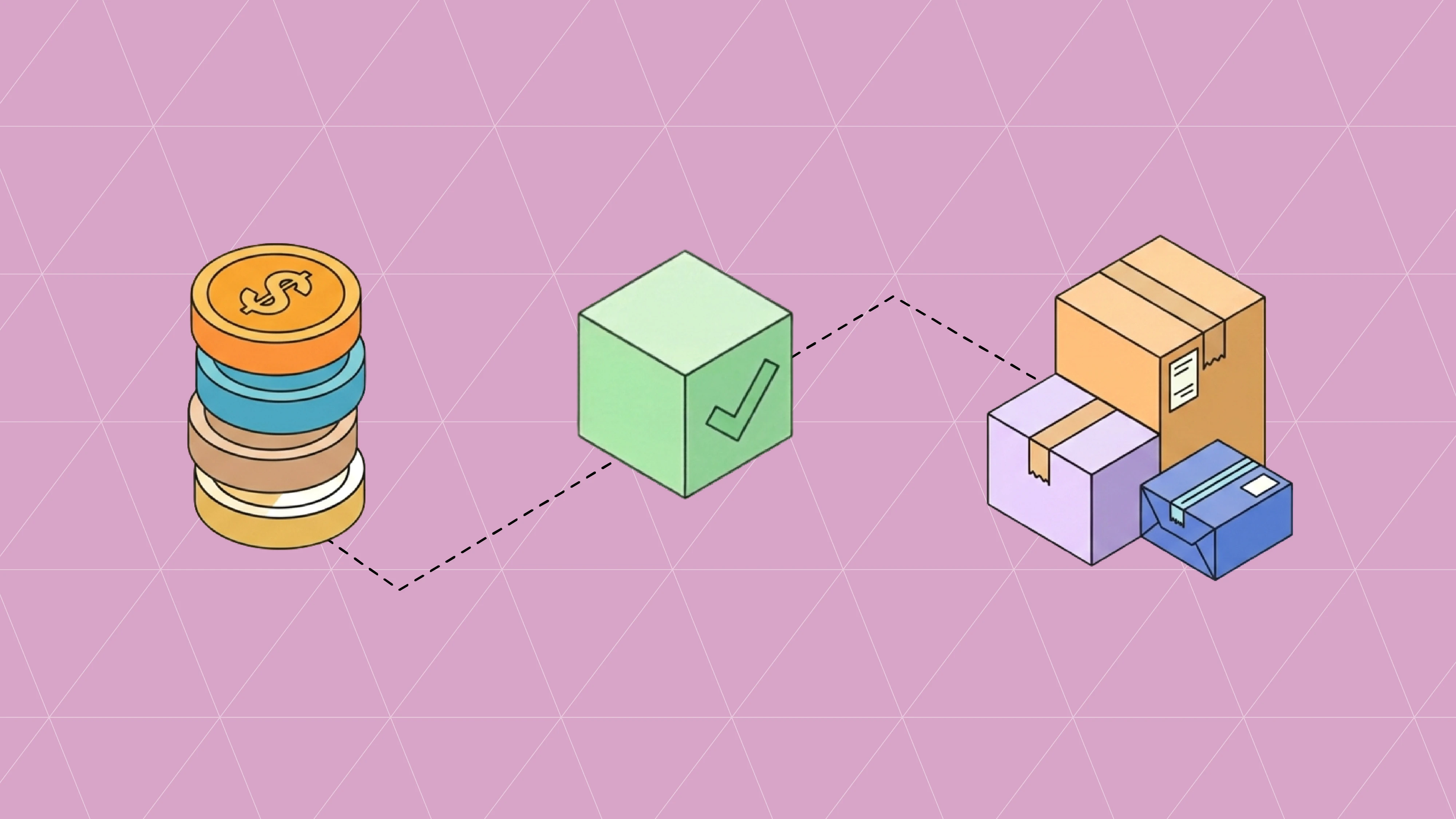
If you ship consumer packaged goods through more than a couple of retailers or 3PLs, inventory drift is what eats your week. A pallet moves, a count is stale, a buyer places an order against stock you no longer have. The fix is not heroics; it is a clean inventory feed every partner can trust. That feed is EDI 846 Inventory Advice.
This piece covers what the 846 carries, where it pays off for CPG operators, how to roll it out, and what to watch for after go-live. Written for ops, supply chain, and EDI leads who already know the basics and want a working playbook.
What is EDI 846?
EDI 846 is the standard inventory advice transaction. Suppliers use it to tell retailers, distributors, and 3PLs how much stock is on hand, where it sits, and what is coming. It is one-way information, not a commitment to ship, which is why retailers rely on it to plan replenishment without pinging your team for spreadsheets.
A typical 846 file includes:
SKU identifiers (GTIN, UPC, internal item codes)
Location (DC, warehouse, 3PL node, store)
Quantities available, on backorder, and inbound
Status flags for in stock, low, out of stock, discontinued
Timestamp of the snapshot
For a fuller breakdown of segments and qualifiers, see the EDI glossary.
Why CPG brands care about EDI 846
Out-of-stocks cost twice: once at the shelf when a shopper buys a competitor, and again at the buyer review when chargebacks and fill-rate scores come due. A timely 846 lets retailers cap orders to what you can actually ship, route demand to the DC that has stock, and flag low-cover SKUs before they hit zero.
Inside your four walls, the 846 forces a discipline you probably want anyway: one source of inventory truth across ERP, WMS, and 3PL portals. Once that pipe is clean, the downstream transactions get easier too, including the EDI 850 purchase order and the ASN.
How EDI 846 prevents out-of-stocks across retailers and 3PLs
The mechanism is boring and effective: a scheduled, automated snapshot replaces email threads and CSVs. A few specifics worth calling out:
Automated transmission. Pull from the system of record on a schedule the retailer or 3PL agreed to. No human in the loop, no version of the file going stale on a shared drive.
Location-level detail. Send DC and 3PL breakdowns alongside the national total. Retailers planning regional replenishment need to see where the units are.
Status codes. Mark items low or out of stock explicitly so the buyer can act on the signal, instead of inferring from a small number.
Fewer chargebacks. Accurate availability reduces accepted orders that cannot ship, which is where most fill-rate penalties come from.
Scale. Adding a retailer or a 3PL node is a mapping exercise, not a new internal process.
For brands using a 3PL as the source of truth on stock, the 846 pairs naturally with the EDI 943 stock transfer and EDI 945 warehouse shipping advice. See the 3PL integration guide for food and CPG brands for how those transactions fit together.
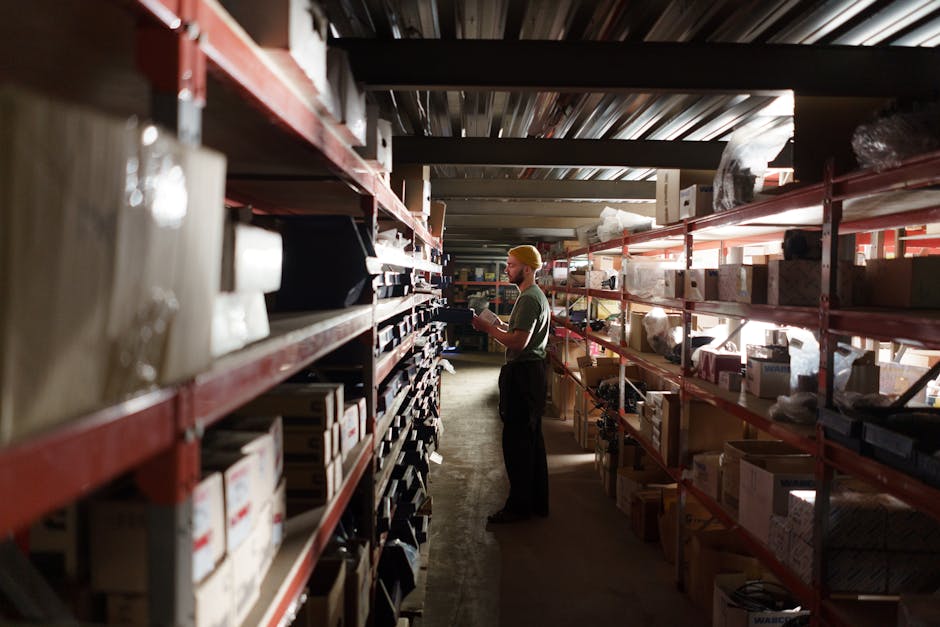
EDI 846 rollout framework
Step 1: Identify your inventory source of truth
List every system that holds stock: ERP, WMS, 3PL portals, marketplace dashboards. Pick the system of record per location. If your master data is messy (duplicate SKUs, inconsistent UoM, missing GTINs), fix that first; the 846 will just broadcast the mess otherwise. Our ERP readiness guide walks through the prep work.
Step 2: Map to the 846 standard
Each retailer publishes its own 846 spec: required segments, qualifier values, accepted statuses, frequency. Build the mapping once per partner, version it, and document the source field for every output. If you run a NetSuite-driven business, the Surpass NetSuite EDI integration handles the mapping layer for you.
Step 3: Automate extraction and delivery
Schedule the file. Daily is the floor for most retailers; high-velocity SKUs and grocery often need multiple drops per day. Validate the file before send: count records, check for null SKUs, confirm location codes resolve. Send via the partner's preferred channel (AS2, SFTP, API).
Step 4: Test with each partner
Run a parallel period with the partner's EDI team. Compare quantities, statuses, and timestamps against their expectations. Most go-live issues are mapping errors that only surface when the buyer-side system tries to consume the file.
Step 5: Monitor in production
Watch for failed transmissions, schema rejections, and quantity outliers (a SKU that drops from 5,000 to 0 in one snapshot is usually a data issue, not a sellout). Build an alert path that wakes the right person; a shared mailbox is not enough.
Common failure modes
Patterns we see when brands stay on manual processes:
Late detection of stock-outs at remote DCs and 3PLs
Accepted orders that cannot ship, leading to cancellations
Chargebacks from missed fill rates and bad availability data
No audit trail when a buyer disputes what was on hand at a given date
Replenishment systems running on yesterday's numbers
For broader context on what slips when supply chain comms are manual, see distribution challenges in modern supply chains.
Best practices
Standardize SKU and location identifiers across every system that feeds the 846. Mismatches here cause silent partner-side errors.
Match cadence to velocity. Daily is a starting point; fast-movers in grocery or club may need every two to four hours.
Validate before sending. A bad 846 is worse than a late one because partners trust it.
Tie the 846 to your order, ASN, and invoice flows so availability, commitment, and shipment data tell the same story.
Treat catalog data as a feeder. Clean item maintenance via EDI 832 keeps the 846 honest.
Make exceptions visible in the channel your team actually watches (Slack or Teams), not a separate EDI console.
How Surpass fits in
We run managed EDI for CPG and food brands that want the 846 working without building an internal EDI team. That means we own the mapping per retailer and 3PL, the transmission schedule, the validation rules, and the monitoring. Brands stay focused on supply and demand; we handle the document layer. More on the CPG side at EDI for consumer goods.
FAQ
What is EDI 846 used for?
To share inventory positions from a supplier to its trading partners. It is informational, not transactional; it does not place or confirm an order.
How often should I send EDI 846?
Daily is the common baseline. High-velocity SKUs, perishables, and items with tight retailer fill-rate scorecards usually justify more frequent drops, sometimes every few hours. Confirm the cadence with each partner during onboarding.
Does EDI 846 reduce chargebacks?
Yes, indirectly. Accurate availability data lets retailers avoid placing orders you cannot fill, which is the largest source of fill-rate penalties. It also gives you an audit trail when a chargeback is disputed.
What if my inventory data lives in multiple systems?
Most brands start that way. Define the system of record per location, normalize SKUs and UoM, then layer the 846 over a consolidated feed. The mapping step handles the rest.
Do I need EDI 846 if I already send ASNs?
They serve different purposes. The ASN tells a partner what is on a specific shipment; the 846 tells them what is available to order. Retailers planning replenishment need both.
What is the difference between EDI 846 and EDI 852?
846 is supplier-to-partner inventory advice. EDI 852 is retailer-to-supplier product activity data (sales and stock at the retailer's locations). Many CPG brands use 852 to feed forecasting and 846 to feed replenishment.
Wrap-up
EDI 846 is not exciting, which is the point. Once it is running cleanly, out-of-stocks become rarer, chargebacks ease, and replenishment conversations get shorter. If you want to talk through what an 846 rollout would look like for your stack, get in touch with Surpass.
More articles
Our platform is designed to empower businesses of all sizes to work smarter and achieve their goals with confidence.